On this page
- What is siding, and what does it do for an Ontario home?
- The 6 siding materials Ontario homeowners choose
- Vinyl vs fiber cement: the two most popular choices
- Engineered wood, cedar, aluminum, and steel siding
- Board and batten, lap, and shake: siding styles and profiles
- Choosing a siding colour that lasts in Ontario
- How much does siding cost in Ontario?
- What should a siding quote include?
- How long does siding last in Ontario?
- Can siding be repaired, or does it need full replacement?
- How siding is installed, and why the details matter
- Common siding mistakes we fix on Ontario homes
- Does new siding improve energy efficiency?
- Siding, soffit, and fascia: how the exterior works together
- What Ontario's climate does to your siding
- When can siding be installed, and how long does it take?
- Maintaining your siding: what each material needs
- Signs it is time to replace your siding
- Siding and your home's resale value
- Financing and paying for a siding project
- How to choose a siding contractor in Ontario
- Frequently asked questions
- Reader reviews
Key takeaways
- Vinyl is the most affordable siding in Ontario at roughly $4 to $8 per square foot installed; fiber cement runs $7 to $13 and lasts longer.
- Fiber cement is the most durable mainstream choice, with a 30 to 50 year lifespan, strong fire resistance, and excellent freeze-thaw performance.
- In Ontario's climate, installation quality matters as much as the material: a sound moisture barrier, ventilation gap, and flashing decide whether siding lasts.
- Siding, soffit, and fascia work as one system, so replacing them together protects the roof edge and keeps the attic ventilated.
- Budget roughly $8,000 to $35,000 for a full re-clad on an average Ontario two-storey home, depending mainly on material and wall area.
New siding is one of the biggest changes you can make to an Ontario home, and one of the easiest to get wrong. Pick the right material and it shrugs off twenty winters, trims your energy bills, and lifts your home's value the day it goes up. Pick the wrong one, or hang it over a failing moisture barrier, and you are looking at trapped water, warped panels, and a re-clad a decade too soon. This guide walks through every siding choice an Ontario homeowner actually faces, with real costs, real lifespans, and the trade-offs we explain on quotes every week.
At Sherak, we install vinyl, engineered wood, fiber cement, cedar, and steel siding across York Region, Simcoe County, and the GTA, so this is written from the ladder, not the showroom. If you already know you want a free siding quote, start there. If you are still weighing materials, read on.
What is siding, and what does it do for an Ontario home?
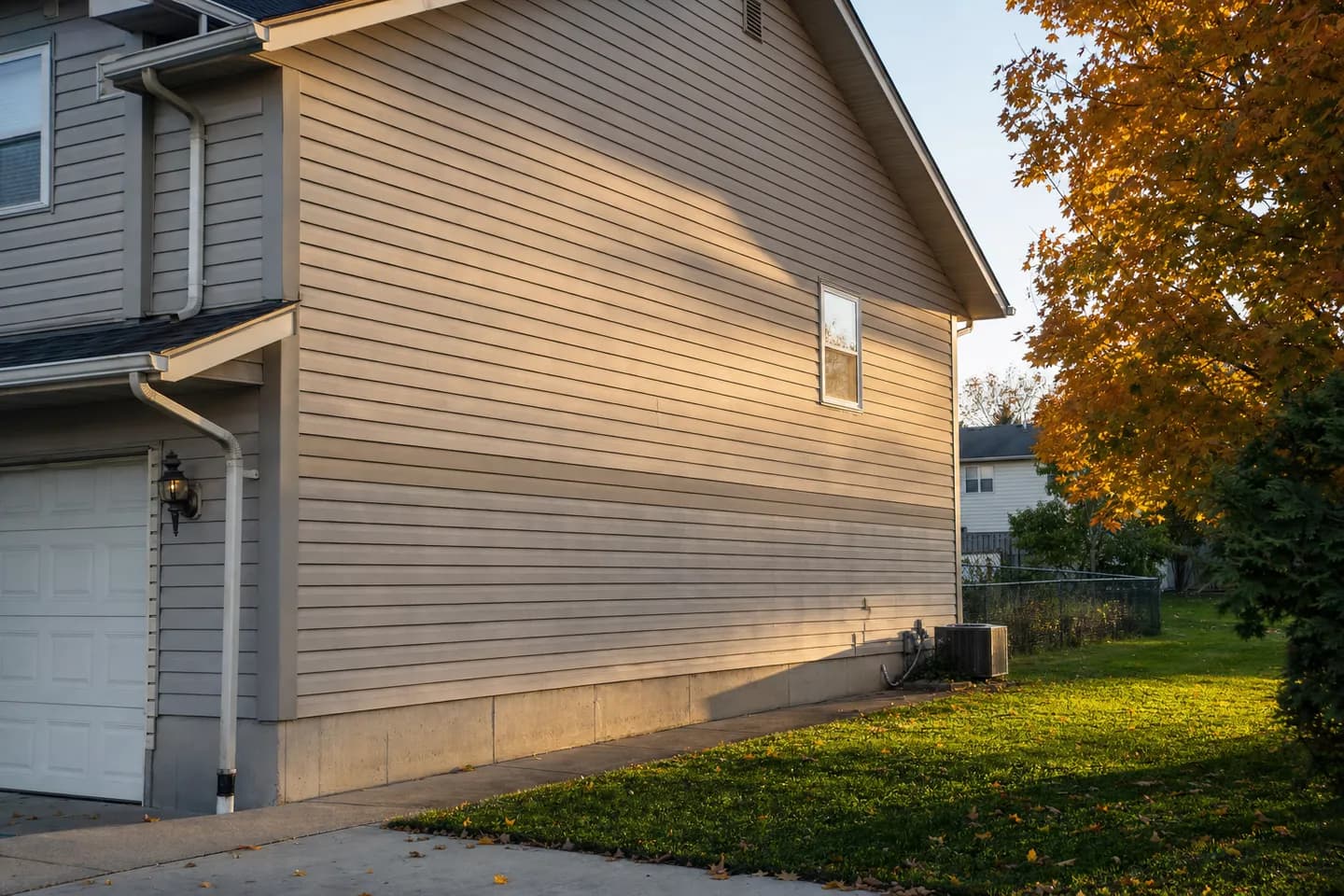
Siding is the outer skin of your home, the cladding that keeps rain, snow, wind, and sun out of the wall behind it. On an Ontario house it does three jobs at once: it manages moisture through the freeze-thaw season, it adds a layer of weather protection and insulation, and it sets the entire look of the exterior.
Good siding is a system, not just a surface. Behind the panel you see sits a weather-resistant barrier, often a ventilation gap, and flashing at every window, door, and joint. Together they move any water that gets past the face back out, which is exactly what an Ontario wall needs when a January thaw is followed by a hard refreeze. The Ontario Building Code treats cladding and its moisture control as one assembly for this reason.
When the system works, the wall stays dry, the insulation keeps performing, and the home holds its value. When it fails, usually at a skipped flashing or a punctured barrier, water gets trapped, and the damage shows up as rot, mould, and peeling paint long before anyone thinks to blame the siding. That is why we treat a re-clad as a chance to fix the whole wall, not just change its colour.
The 6 siding materials Ontario homeowners choose
Six materials cover almost every Ontario re-clad: vinyl, insulated vinyl, engineered wood, fiber cement, natural wood or cedar, and metal. They divide along the three lines that matter most to homeowners: how much they cost installed, how long they last, and how much upkeep they ask for. The table below sets them side by side.
| Material | Look | Installed cost (per sq ft) | Lifespan | Maintenance | Best for |
|---|---|---|---|---|---|
| Vinyl | Wide colour range, horizontal or vertical | $4 to $8 | 20 to 40 yrs | Very low, rinse yearly | Budget, low upkeep |
| Insulated vinyl | Same as vinyl, thicker, foam-backed | $6 to $10 | 25 to 40 yrs | Very low | Adding wall R-value |
| Engineered wood | Real wood texture, paintable | $6 to $11 | 20 to 30 yrs | Repaint every 7 to 10 yrs | Board and batten looks |
| Fiber cement | Crisp wood grain, holds paint | $7 to $13 | 30 to 50 yrs | Repaint every 10 to 15 yrs | Durability, fire resistance |
| Wood / cedar | Natural, premium | $8 to $15 | 20 to 40 yrs | Stain every 3 to 5 yrs | Heritage, high-end custom |
| Steel / aluminum | Modern, flat or seamed | $5 to $16 | 25 to 60 yrs | Low | Modern builds, durability |
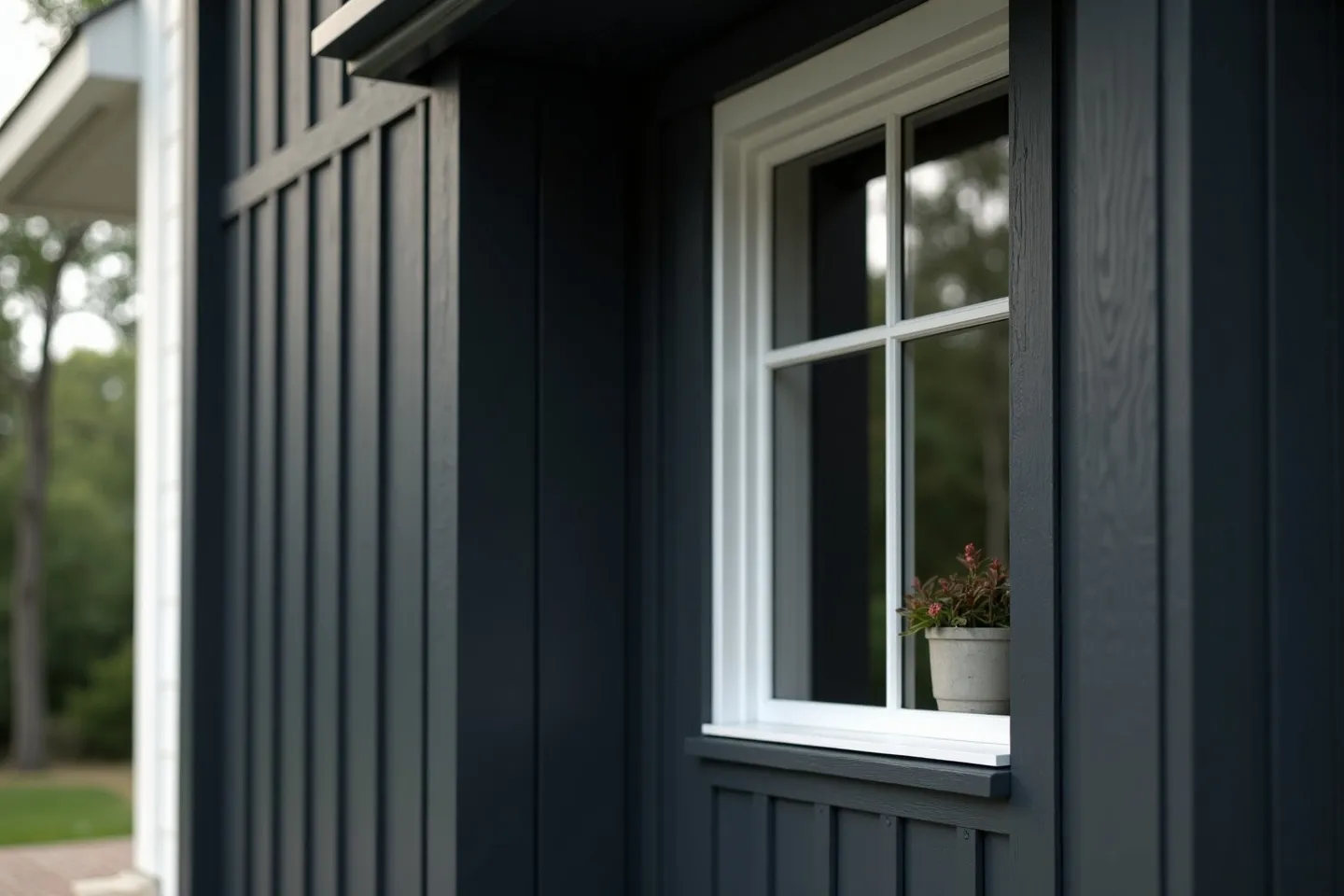
Most homeowners land on one of the first four. Vinyl and fiber cement are the two we install most, for opposite reasons: vinyl for value and near-zero upkeep, fiber cement for durability and a premium finish. Cedar and metal are the specialty picks, chosen for a particular look or a modern build. The sections below take each in turn, starting with the two that win the majority of Ontario re-clads. If you have already narrowed it to the three that carry the modern farmhouse look, our closer comparison of board and batten, vinyl, and fiber cement prices all three on the same wall.
Narrowing the choice is simpler than six options suggest. Set your budget per square foot, decide how much maintenance you are willing to do, and pick the look you want, and usually only two materials remain. From there it comes down to longevity against up-front cost. We do this exercise on the driveway with homeowners every week, and most reach a confident answer within a few minutes once the trade-offs are laid out plainly.
Vinyl vs fiber cement: the two most popular choices
For most Ontario homes the real decision is vinyl or fiber cement. Vinyl costs less, installs faster, and never needs painting, but it can grow brittle in deep cold and reads as less substantial. Fiber cement costs more and is heavier to hang, but it resists fire, holds paint for over a decade, and handles freeze-thaw better than anything in its price range.
Vinyl is the workhorse of Canadian siding, and for good reason. At roughly $4 to $8 per square foot installed it is the most affordable option, it comes in dozens of colours that run all the way through the panel, and a rinse with a garden hose is most of the maintenance it will ever ask for. The honest trade-offs: in a deep Ontario cold snap, older or thin vinyl can turn brittle and crack on impact, dark colours can fade over decades, and up close it looks like plastic rather than wood.
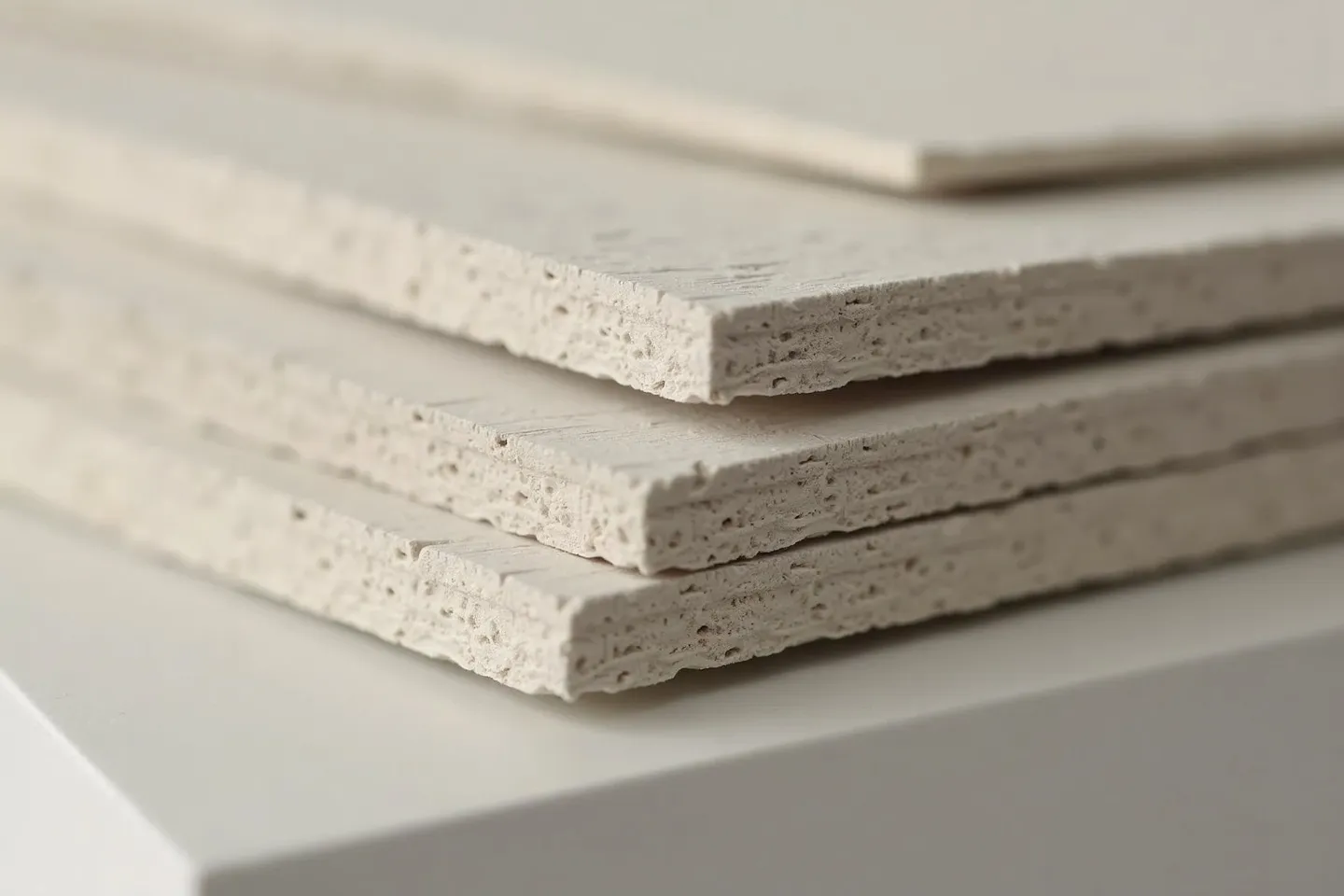
Fiber cement, a dense mix of cement, sand, and cellulose fibre, sits a clear step up. It is non-combustible, which matters on tight urban lots, it holds a factory or field paint finish for 10 to 15 years, and its stability through freeze-thaw is excellent, so it does not swell and shrink the way wood does. The cost, $7 to $13 per square foot installed, reflects a heavier board and a slower install: it needs more crew, special blades, and careful sealing at every cut. On a 1970s bungalow re-clad in Richmond Hill we moved the owner from failing aluminum to fiber cement, and the flat, crisp shadow lines changed the whole street presence of the house.
If your priority is the lowest price and the least upkeep, vinyl wins. If it is longevity, fire safety, and a high-end finish, fiber cement earns its premium. Both, installed correctly over a sound moisture barrier, will outlast the aluminum or hardboard they usually replace.
Two more practical notes. Vinyl is effectively maintenance-free but not repair-free: a cracked panel is replaced rather than patched, so keep a few spares from the original run. Fiber cement can be bought pre-finished from the factory or painted on site, and factory finishes cost more but last longest and carry the strongest colour warranties. For most Ontario homeowners choosing between the two, the deciding factor ends up being how long they plan to stay: vinyl for a shorter horizon, fiber cement when the home is a keeper.
Engineered wood, cedar, aluminum, and steel siding
The other four materials each own a niche.
Engineered wood, sold under names like LP SmartSide, is made from wood strands bonded with resin and treated against rot and insects. It gives a genuine wood texture and takes paint well, at $6 to $11 per square foot installed, and it is light enough to make deep board and batten profiles easy to hang. It needs repainting every 7 to 10 years, and it depends entirely on sealed edges to keep moisture out, so tidy installation is not optional.
Natural wood and cedar are the premium, heritage look. Real cedar at $8 to $15 per square foot installed is beautiful and can last decades, but only with regular care: it wants staining or sealing every 3 to 5 years in Ontario's sun and freeze-thaw, and a neglected cedar wall greys, cups, and rots. We install it where a homeowner truly wants it and will maintain it, most often on custom and century homes in Aurora and King City.
Aluminum was the standard on Ontario homes for decades and still appears on soffit and trim, at $5 to $9 per square foot. It will not rot or burn, but it dents easily and the finish chalks and fades, which is why most aluminum walls we see are candidates for replacement. Steel siding is the modern metal choice: tougher than aluminum, available in flat panels and standing-seam looks, and good for 40 to 60 years, though at $9 to $16 per square foot installed it is a design-led premium. It pairs naturally with a standing seam metal roof on a contemporary build.
A note on mixing metals: steel and aluminum stay common on soffit, fascia, and trim even when the main walls are vinyl or fiber cement, because metal shrugs off the weather at the exposed roof edge. Matching those accent metals to the siding colour is part of a clean, finished exterior rather than an afterthought.
Board and batten, lap, and shake: siding styles and profiles
Material and style are two separate choices. The material is what the siding is made of; the style is how it is cut and hung. The same fiber cement can go up as horizontal lap, vertical board and batten, or shingle-style shake, and the look changes completely.
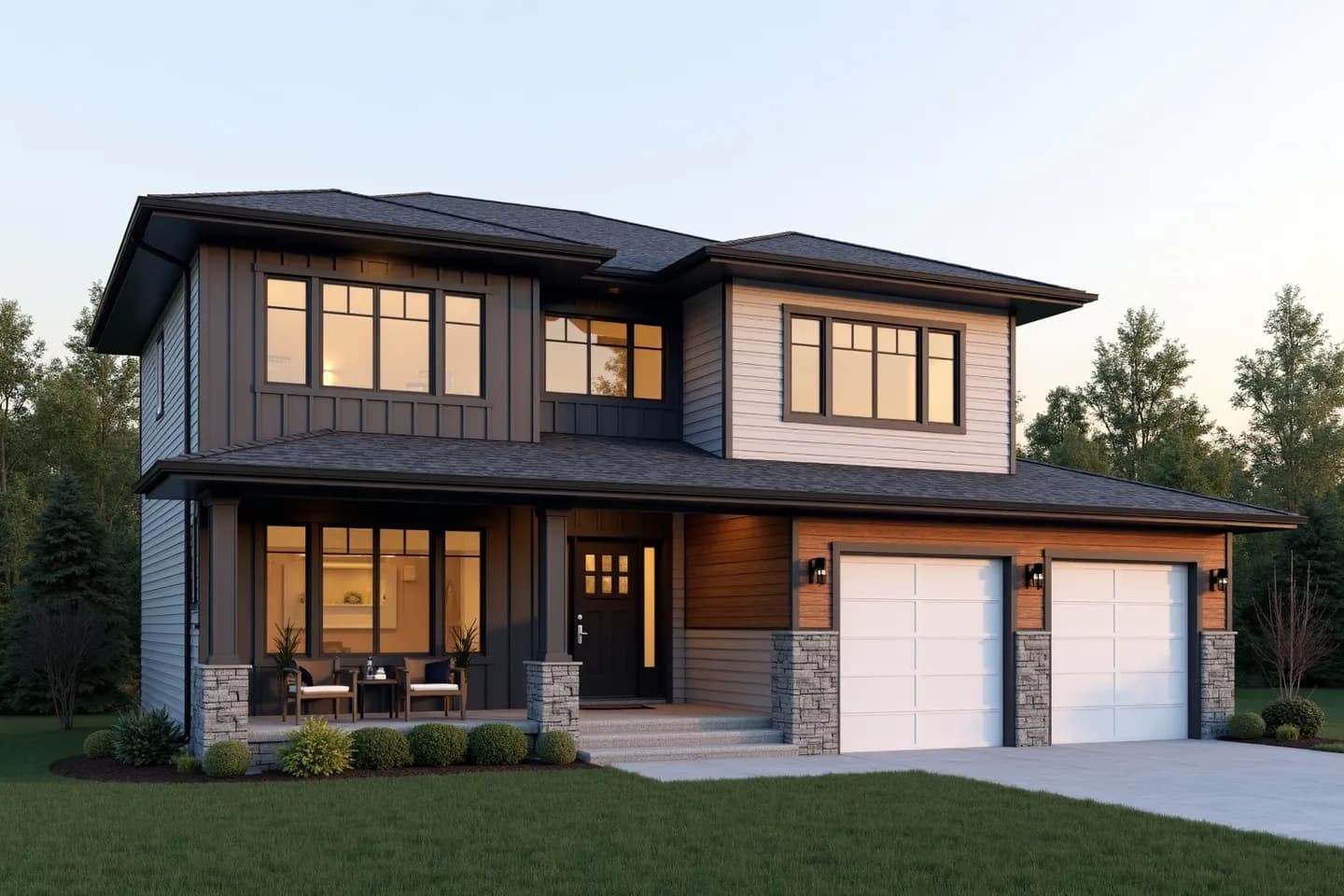
Horizontal lap is the classic, each board overlapping the one below, and it suits almost any Ontario home from a bungalow to a colonial. Board and batten runs vertically, wide boards with narrow battens covering the seams, and it drives the modern farmhouse look that has been popular on new builds and re-clads across York Region. Shake and shingle panels mimic cedar shakes for a cottage or heritage feel, usually on gables and accents rather than a whole house.
Some of the best exteriors we build mix two profiles, board and batten on the upper storey or gables and lap below, to add depth without changing materials. Panel widths, colour, and trim then fine-tune the result. Decide the profile early, because it affects the material you can use, the amount of trim, and the price.
Choosing a siding colour that lasts in Ontario
Colour is the choice homeowners agonise over most, and the one they live with longest. A few practical rules save a lot of regret.
Dark colours read as modern and dramatic, and they are more popular than ever on board and batten and fiber cement, but they absorb more heat and show fade faster on the south and west walls that bake in the sun. Quality fiber cement and premium vinyl now hold dark tones far better than older products did, so if you want charcoal or deep green, choose a material rated to keep it. Lighter and mid-tone colours are the safe long-term bet: they fade less visibly and date more slowly.
Think about the whole exterior, not the sample chip. Siding colour has to work with the roof, the trim, the stone or brick, the windows, and the front door, and it should suit the street rather than fight it. Contrasting trim, white or black against a coloured body, is what makes an exterior look finished. We put full-scale samples on the actual wall, in daylight, before anything is ordered, because a colour that looks right on a chip can look wrong at the scale of a whole house.
How much does siding cost in Ontario?
A full siding replacement on an average Ontario two-storey home runs roughly $8,000 to $35,000 installed, with most vinyl projects landing between $8,000 and $20,000 and most fiber cement projects between $14,000 and $32,000. The single biggest driver is the material, followed by your home's wall area and how complex the walls are.
Siding is priced by the square foot of wall, not the square foot of floor, so a tall two-storey with lots of gables costs more to clad than its floor plan suggests. The chart below shows the installed range per square foot for each material, and the table underneath turns that into a whole-home budget by size.
What moves your number up or down:
| Home size | Vinyl (installed) | Fiber cement (installed) |
|---|---|---|
| Bungalow, about 1,200 sq ft floor | $8,000 to $15,000 | $13,000 to $24,000 |
| Two-storey, about 2,000 sq ft floor | $10,000 to $20,000 | $16,000 to $30,000 |
| Large two-storey, about 2,800 sq ft floor | $14,000 to $26,000 | $21,000 to $34,000 |
None of the drivers above are places to cut corners. The barrier and flashing you cannot see are what keep the wall dry, and redoing them later means taking the new siding back off.
One more cost note: never choose on price alone. The cheapest quote almost always reaches its number by thinning the barrier, the flashing, or the tear-off, and those hidden layers are exactly what you are paying a professional to get right. A fair quote that is a few hundred dollars more, but spells out the wall system, is cheaper than a bargain re-clad you redo in eight years.
| Category | Low | High |
|---|---|---|
| Vinyl | 4 | 8 |
| Insulated vinyl | 6 | 10 |
| Engineered wood | 6 | 11 |
| Fiber cement | 7 | 13 |
| Cedar / wood | 8 | 15 |
| Steel | 9 | 16 |
- Material: the range in the chart, from vinyl at the low end to steel and cedar at the top
- Wall area and height: more surface and more storeys mean more material and more scaffolding
- Tear-off: removing old siding, and repairing any rot or bad sheathing found underneath, adds labour
- Details: every window, door, corner, and gable needs trim and flashing, so a complex facade costs more than a plain box
- Extras: new house wrap, added insulation, and matching soffit, fascia, and eavestrough all add to the total but are often worth doing at once
Want a real number for your home?
We measure your walls, factor in tear-off and trim, and give you an itemised siding quote. Free, with no obligation.
What should a siding quote include?
A siding quote is easy to compare on price and hard to compare on substance, which is exactly where cheap quotes hide their shortcuts. A complete, honest quote spells out the wall system, not just the panel.
Look for these line items:
If a quote is a single lump sum with none of this detail, treat it as a warning. A number that looks low usually means a step is missing, and the missing step is almost always one of the ones that keeps the wall dry. We write our quotes itemised for this reason, so you can see what you are paying for and compare like with like.
A good contractor also walks the home with you before quoting, rather than measuring from the street or a photo. Hidden rot, tricky rooflines, and awkward access all change the real cost, and a quote written without seeing them is a number that will move once the work starts.
- The material, brand, profile, and colour, so you know exactly what is going up
- Tear-off and disposal of the old siding, plus a plan for any rot or sheathing repair found underneath
- The weather-resistant barrier and, where used, the rainscreen or ventilation gap
- Flashing at every window, door, and transition, and the trim and corner details
- Any soffit, fascia, and eavestrough work, so the roof edge is not left mismatched
- The workmanship warranty, proof of liability insurance, and the payment terms
How long does siding last in Ontario?
Siding lifespan in Ontario ranges from about 20 years for basic vinyl and engineered wood to 50 years or more for fiber cement and steel, assuming a sound install and normal upkeep. Freeze-thaw, wind, and UV are what age it, so the material you choose and the quality of the moisture detailing decide where in that range you land.
The numbers below are manufacturer and industry lifespans for Ontario conditions. Treat them as the ceiling you reach with a proper install and basic maintenance, not a guarantee for a wall hung over a failed barrier.
Two things shorten any of these. The first is trapped moisture: siding installed without a working drainage plane, or with skipped flashing, can fail in a fraction of its rated life, because the damage happens behind the panel where you cannot see it. The second is neglect on the materials that need it, mainly wood and cedar, which grey and rot without regular staining. Vinyl and fiber cement are forgiving here, one of the reasons we recommend them for homeowners who would rather not think about their walls for thirty years.
| Category | Low | High |
|---|---|---|
| Vinyl | 20 yrs | 40 yrs |
| Eng. wood | 20 yrs | 30 yrs |
| Cedar | 20 yrs | 40 yrs |
| Aluminum | 25 yrs | 40 yrs |
| Fiber cement | 30 yrs | 50 yrs |
| Steel | 40 yrs | 60 yrs |
Can siding be repaired, or does it need full replacement?
Small, isolated siding damage can often be repaired: a few cracked vinyl panels, a dented aluminum section, or one rotted board can be swapped without re-cladding the house. Replace the whole wall when the damage is widespread, the material is at the end of its life, or the moisture barrier behind it has failed, because patching over a bad wall only hides the problem.
The deciding question is not the siding you can see, it is the wall behind it. A handful of panels cracked by a stray ball or a snowplow is a repair, and on vinyl we can usually match and replace them in an afternoon. The same is true of one rotted cedar board or a dented aluminum run near the driveway.
Replacement becomes the honest answer when the pattern is bigger: panels failing across several walls, colour so faded a patch will never match, or, most importantly, signs that water is getting into the wall. Peeling interior paint, soft sheathing, or rot along the base tells us the barrier and flashing are done, and no amount of new panel over the top fixes that. On a re-clad in Newmarket we opened a wall the owner wanted patched and found the sheathing black with rot behind intact-looking siding; a patch would have sealed the damage in. When the material is also near the end of its rated life, spending on repairs is throwing good money after bad, and a full re-clad with a fresh barrier is the better value.
The line between the two is narrower than it looks, and our siding repair guide walks through the three tests a patch has to pass first: whether the panel can still be sourced, whether it will match a faded wall, and whether the sheathing behind it is dry.
How siding is installed, and why the details matter
A siding job is won or lost on the parts you never see. Here is the sequence our crews follow on a re-clad, and why each layer is there.
We start by stripping the old cladding and inspecting the sheathing underneath, repairing any rot or water damage before anything new goes on. Next comes a weather-resistant barrier, the house wrap that sheds bulk water while letting the wall breathe. On many homes we then add a ventilation gap, a rainscreen, so any moisture that gets behind the siding can drain and dry instead of sitting against the wall. The Canada Mortgage and Housing Corporation has documented how much this drain-and-dry approach matters in a wet, freeze-thaw climate.
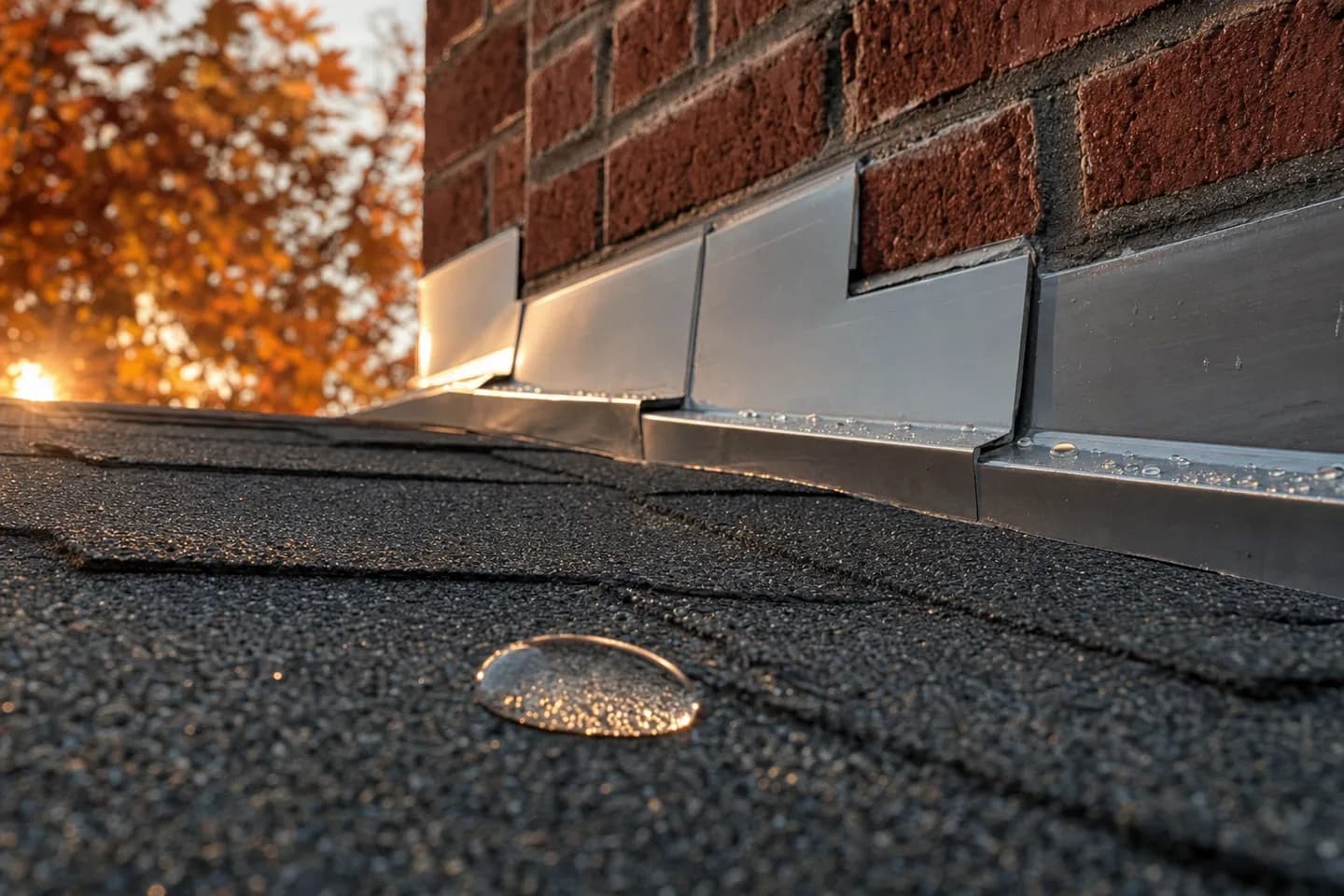
Then the detailing. Every window, door, and wall-to-roof transition gets custom flashing, formed and lapped so water is always sent outward and down. Where a roof meets the wall, our roof flashing guide sets out the step flashing and kick-out details that do the same job, and this detailing is the most common failure point we find on older walls. Only once the barrier and flashing are right do the panels, trim, and corners go on. Done in this order, as on a recent full re-clad on a two-storey in Vaughan, the wall keeps water out for decades. Skip a step and it will not, no matter how good the siding looks on day one.
We also match the fasteners to the material: stainless or hot-dipped galvanized nails that will not rust and streak the wall, sized and spaced so each panel can still move with temperature. It sounds like a small thing, but the wrong fastener is one of the quiet reasons older walls stain, loosen, and buckle.
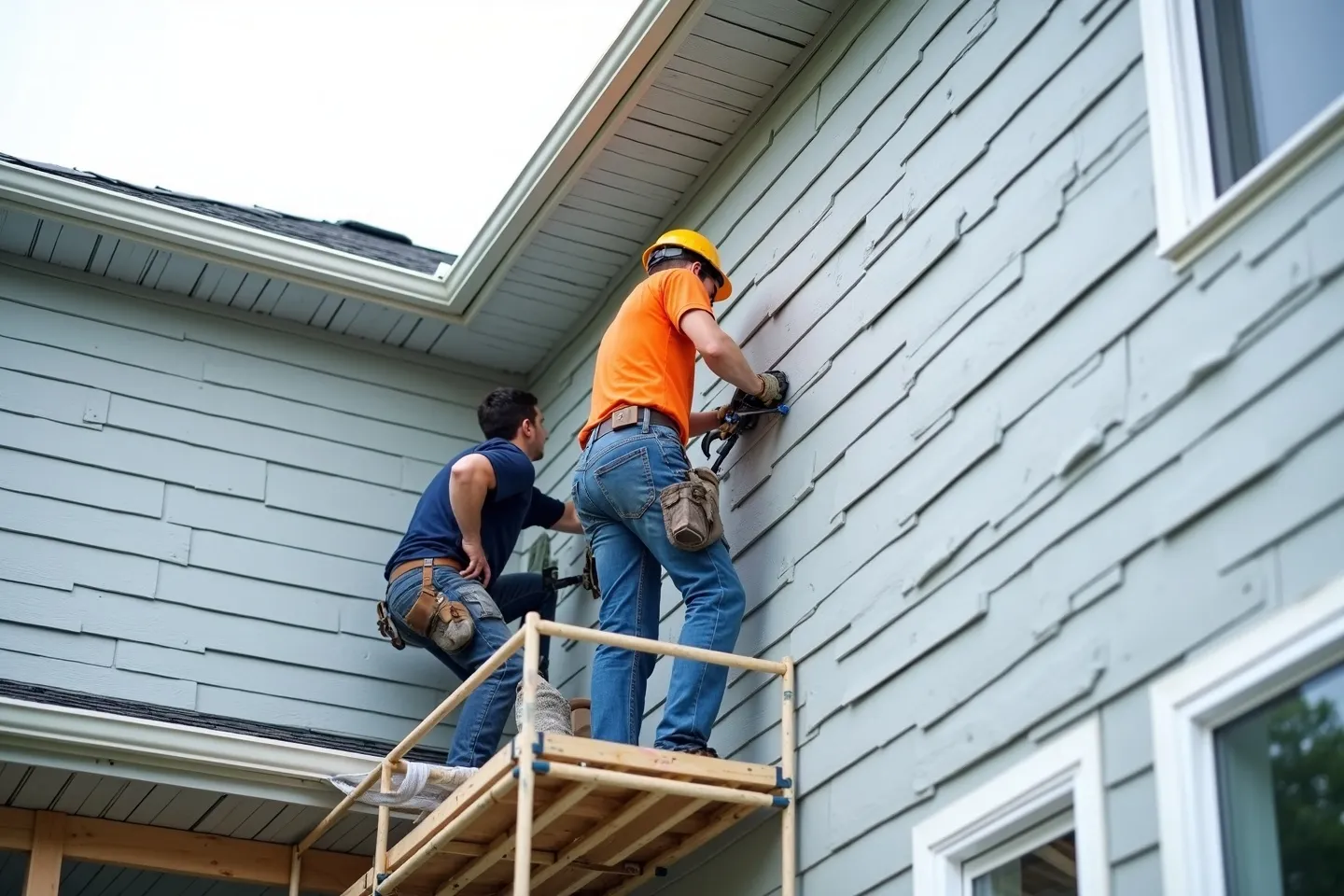
Preparation is most of the quality. Before a single panel goes up, we set the scaffold for safe, level courses, snap lines so the siding runs true across the whole wall, and protect the windows, landscaping, and walkways. Rushing this stage is how walls end up wavy and misaligned, a flaw no amount of good material can hide later.
Common siding mistakes we fix on Ontario homes
Most siding problems are not material failures, they are installation failures, and the same handful come up again and again on the walls we re-clad. Knowing them helps you read a corner-cutting quote.
The most common is no drainage plane: siding nailed tight to the sheathing with no way for water that gets behind it to drain or dry. In a freeze-thaw climate that water stays put and rots the wall. Second is missing or reversed flashing at windows and doors, which sends water into the wall instead of out of it, the single failure we trace the most leaks to. Third is nailing vinyl too tight, because vinyl needs room to expand and contract, and a nail driven home buckles the panel on the first hot day. Fourth is burying the weep holes or the starter strip in caulk or grade, trapping the very water the system is designed to release.
We see all of these on homes across the GTA, usually on jobs done fast and cheap a decade earlier. None of them show on day one, which is the point: the wall looks fine until the sheathing behind it is already damaged. A crew that talks openly about the barrier, the drainage gap, and the flashing is telling you it will not make these mistakes, and that is worth more than a slightly lower price.
Does new siding improve energy efficiency?
New siding improves a home's energy efficiency in two ways: it seals the air leaks that let heated or cooled air escape, and, with an insulated product or added exterior insulation, it raises the wall's R-value. On an older Ontario home with failing cladding, the difference on a heating bill can be real.
The biggest gain is usually air sealing. Old, cracked, or poorly installed siding, and the tired barrier behind it, let air move through the wall. Re-cladding with a fresh weather-resistant barrier tightens the envelope, which is often felt as fewer drafts and a more even indoor temperature before you even look at the bill.
The second gain is insulation. Insulated vinyl has a foam backing that adds R-value across the whole wall, and on a deeper retrofit we can add a layer of exterior rigid insulation under the siding, which also cuts the thermal bridging through the studs. Natural Resources Canada treats the building envelope as one of the highest-impact places to improve a home's energy performance. Siding alone will not transform an under-insulated house, but paired with attic and wall upgrades it is a meaningful part of the picture, and doing it during a re-clad is far cheaper than opening the wall again later.
Check for rebates before you start. Federal and Ontario energy-efficiency programs change from year to year, but building-envelope upgrades, insulation and air sealing among them, have often qualified, and a re-clad is a natural moment to add insulation while the wall is open. We can point you to what is current, and a professional energy assessment will show where your particular home loses the most heat.
Siding, soffit, and fascia: how the exterior works together
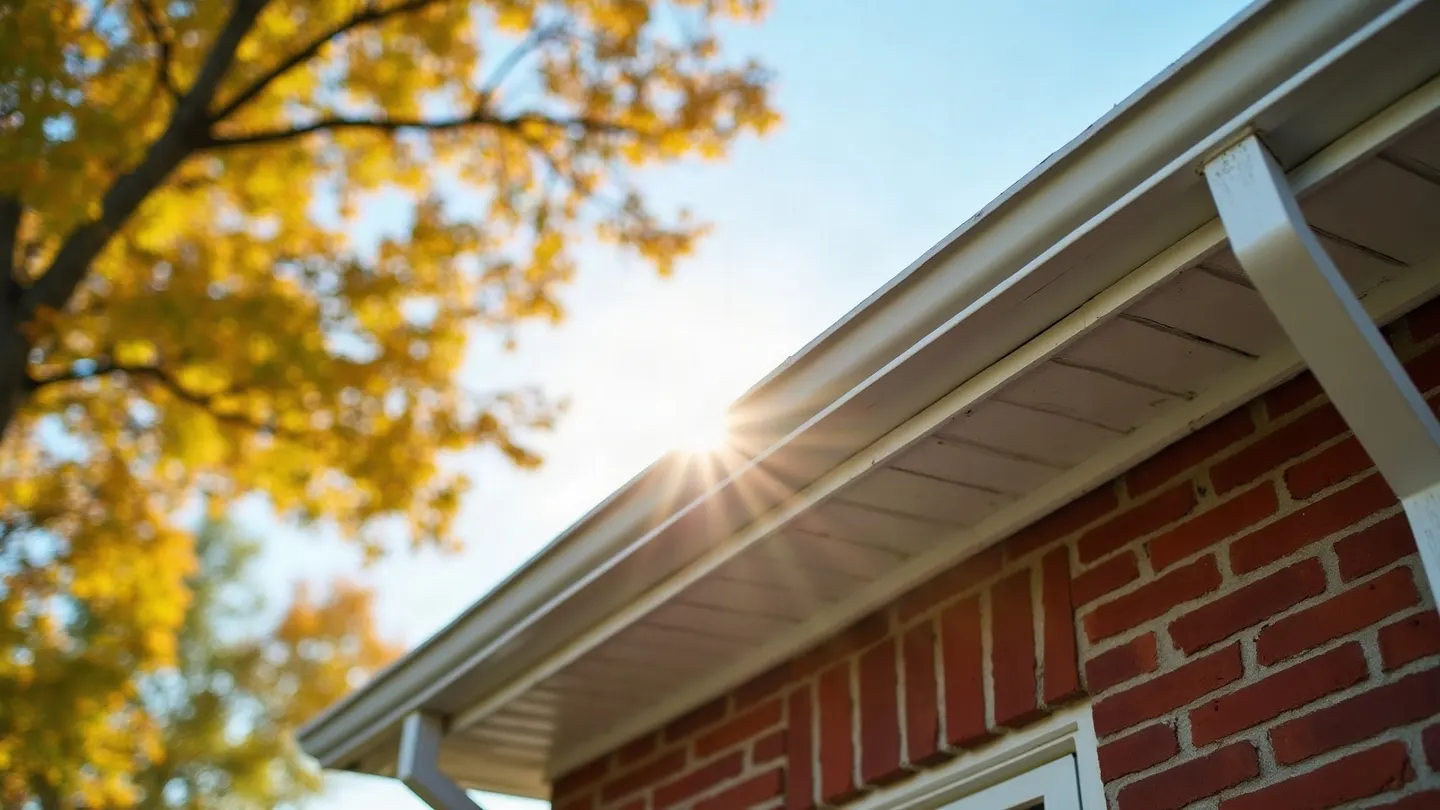
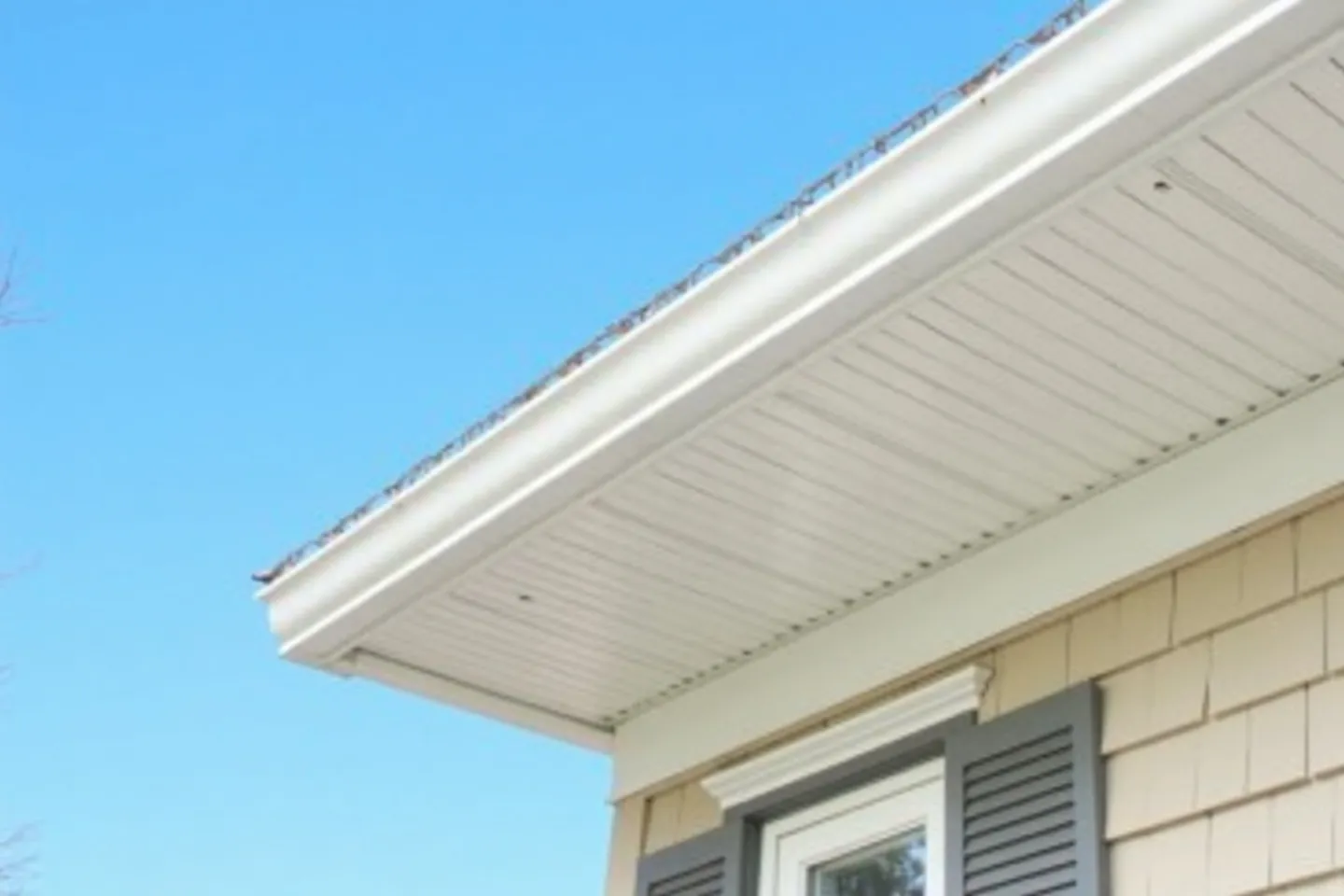
Siding does not stop at the roofline. The soffit, the panel under your eaves, and the fascia, the board along the roof edge that carries the eavestrough, are part of the same exterior system, and a re-clad is the natural time to address all three.
Soffit is not just trim. Its vents are the intake side of your roof ventilation: cool air enters at the soffit and leaves at the ridge, keeping the attic dry and the shingles cool, which the Canadian Roofing Contractors' Association ties directly to roof lifespan. Block or skip that airflow and you invite ice dams in winter and premature shingle aging in summer, and preventing ice damming starts with exactly this intake path.
Fascia holds the eavestrough that moves roof water away from the wall you just re-clad. If any of it is rotting or mismatched, replacing it with the siding keeps the whole edge sealed and consistent. Our soffit and fascia crew handles this. The roofline is a subject in its own right, and rather than repeat it here, our full guide to soffit and fascia in Ontario covers the published ventilation figures, why rotted fascia is almost always an eavestrough problem, and what replacement costs by the foot. Getting the roof edge right also guards against the leaks we cover in roof leak repair. If the trough itself is due for replacement at the same time, our comparison of seamless and sectional eavestroughs covers the sizing and cost decisions.
What Ontario's climate does to your siding
Ontario is one of the harder climates on exterior cladding in Canada. Siding here has to survive freeze-thaw cycles that expand and contract every joint, driving rain and wind that push water at the wall, heavy snow that sits against the base, and strong summer UV that fades and degrades weaker materials over time.
Freeze-thaw is the big one. Water finds any gap, then freezes and expands, prying at seams and cracking materials that are not rated for it. This is why the moisture barrier and drainage gap behind the siding matter so much: they give trapped water a way out before it freezes in place. It is also why brittle, low-grade vinyl can crack in a cold snap while fiber cement and quality vinyl ride it out.
Wind-driven rain is the second force. On exposed lots in Simcoe County, and on the open shoreline at Wasaga Beach, we design the flashing and overlaps to shed water that is effectively moving sideways. Then there is sun: south and west walls take years of UV that fades dark colours and breaks down cheaper finishes, worth remembering when you pick a colour you want to still like in fifteen years. The right material, installed for this climate rather than a milder one, is what turns all of this from a threat into a non-issue.
Snow load adds one more Ontario-specific stress at the base of the wall, where drifts sit for months and splashback soaks the lowest course. This is why we keep the bottom edge of the siding clear of grade and make sure the ground slopes away, so the most exposed part of the wall can still drain and dry between freezes.
When can siding be installed, and how long does it take?
Siding can be installed in Ontario from spring through late fall, roughly April to November, whenever the walls are dry and temperatures are reasonable. A typical re-clad on an average two-storey home takes about one to two weeks, depending on the size of the house, the material, and how much repair the walls need underneath.
The weather window is generous. We side homes across most of the year in Ontario, pausing mainly for heavy rain, which has to stay off the open wall, and the deepest cold, which makes some sealants and vinyl harder to work with. Fiber cement and engineered wood both want dry conditions for cutting and sealing, so a stable stretch matters more than the exact month. Spring and early fall often schedule most easily, before and after the summer peak.
The timeline depends on scope. A straightforward vinyl re-clad on a modest home can be done in a few days. Fiber cement takes longer, because the board is heavier and every cut is sealed. Add tear-off, sheathing repair, new soffit and fascia, or a complex facade with many gables and windows, and a job stretches toward two weeks. Weather can extend it, since we will not close up a wall that is not dry. We give a realistic schedule in the quote, because setting the right expectation beats rushing a wall and trapping moisture in it.
Maintaining your siding: what each material needs
One of the quiet costs of siding is upkeep, and it varies more than most homeowners expect. Choosing a low-maintenance material is choosing not to think about your walls for decades, which is worth real money over the life of the cladding.
Vinyl and steel are the easy end: a rinse once a year to clear dirt and, for vinyl, an occasional check for cracks after a hard winter. Neither needs paint. Fiber cement holds its finish for 10 to 15 years before a repaint, and pre-finished versions push that further. Engineered wood wants repainting every 7 to 10 years and depends on sealed edges. Cedar and natural wood are the most demanding, needing stain or sealer every 3 to 5 years in Ontario's sun and freeze-thaw, or they grey and rot.
The chart below sets the refinishing intervals side by side. Across every material, the yearly habit that matters most is simple: keep the eavestroughs clear and the ground sloped away, so water is not constantly splashing the base of the wall.
| Category | Value |
|---|---|
| Cedar / wood | 4 yrs |
| Engineered wood | 8 yrs |
| Fiber cement | 12 yrs |
| Aluminum | 15 yrs |
Signs it is time to replace your siding
Siding rarely fails all at once. It tells you it is done over a few seasons, and catching it early keeps the damage out of the wall behind it. Call for an assessment if you see any of these:
If you are seeing more than one of these, do not wait for a leak to force the decision. We offer a free siding assessment across York Region and the GTA, and we will tell you honestly whether a repair will hold or a re-clad is the smarter spend.
- Warped, buckled, cracked, or loose panels, especially after a cold winter
- Paint peeling inside the house or wallpaper lifting, a sign of moisture in the wall
- Rot, soft spots, or fungus on the siding, trim, soffit, or fascia
- Rising heating and cooling bills, pointing to lost insulation value
- Faded, chalky, or dated cladding that hurts curb appeal and resale
- Aluminum or hardboard siding from the 1970s or 1980s at the end of its life
Siding and your home's resale value
Exterior updates consistently rank among the home improvements that return the most at sale, because they are the first thing a buyer sees and they signal a house that has been looked after. Fresh, well-chosen siding lifts curb appeal, and on the Ontario market a dated aluminum or faded vinyl exterior can quietly cost a seller both interest and offers.
Fiber cement in particular is a favourite in listings, because buyers recognise it as durable and low-worry. You would not re-clad a house purely as an investment, but when the cladding is near the end of its life anyway, doing it before you list usually returns more than the same money spent inside. If a sale is on the horizon, we can advise which material and colour will show best for your street and price point, and finish the exterior to match.
Financing and paying for a siding project
A full re-clad is a significant spend, and how you pay for it is worth planning. Some homeowners fund it from savings, others fold it into a home-equity line of credit or a renovation loan, and the right choice depends on your finances rather than the siding itself.
What matters on the contractor side is the payment structure. A fair arrangement never asks for the full amount up front. At Sherak, you pay in stages as the work progresses, with the final 10 percent held back until you have walked the finished job and are satisfied with it. That structure protects you: it keeps the crew accountable to the last detail, and it means the final payment is earned rather than assumed. Be cautious of any contractor who wants most of the money before the work starts, or who will only take cash.
How to choose a siding contractor in Ontario
The material matters, but the installer matters more. The best fiber cement in the country will fail over a bad barrier, and the cheapest vinyl will outperform its price if the wall behind it is done right. When you compare quotes, look past the panel and ask about the parts that keep water out.
A quote you can trust names the material and brand, spells out the moisture barrier and flashing, includes tear-off and any sheathing repair, and does not bury the trim, soffit, and fascia work. Ask for proof of liability insurance, a written workmanship warranty, and local references you can actually go and see. At Sherak, our siding installation crews work throughout York Region, Simcoe County, Kawartha, and the GTA, and every job carries a 10 year workmanship warranty, $5 million liability insurance, and terms where you pay the final 10 percent only once you are satisfied.
If you are planning a re-clad, the best first step is a free, no-obligation assessment. We measure the walls, look at the sheathing and flashing, talk through materials against your budget, and give you an itemised quote you can compare with confidence.
Sherak Ltd, Head Office 12275 Woodbine Avenue, Gormley, ON L0H 1G0 Phone: +1 905 490 8800 Email: info@sherak.ca
Get a free siding quote from a crew that does it right
We assess the wall, not just the surface, then give you an honest, itemised quote. 10 year workmanship warranty, $5M insurance, and 10 percent due only when you are satisfied.
Book a Free Siding ConsultationFrequently asked questions
What is the best siding material for an Ontario home?
How much does it cost to side a house in Ontario?
How long does siding last?
Is fiber cement worth the extra cost over vinyl?
Can you install new siding over old siding?
Does new siding improve energy efficiency?
Written by
Emad Alikhanpour
Roofing & Exterior Specialist
Emad has 15 years of hands-on experience across roofing and every exterior service Sherak offers, from shingle and metal roofs to siding, eavestroughs, soffit and fascia, and custom flashing.
15 years in the trade · Roofing and exterior services
View profileReader reviews
Loading reviews...