On this page
- Step 1, before you call: get clear on the job
- How to research roofing contractors in your area
- Step 2, at the quote: what credentials should a roofing contractor have?
- How much roofing experience should a contractor have?
- How many roofing quotes should you get, and what should they include?
- What should a roofing warranty cover?
- What a fair roofing payment schedule looks like
- Do you need a permit for roofing work in Ontario?
- Step 3, before you sign: the red flags to watch for
- How do you spot a roofing scam in Ontario?
- The questions to ask before you hire
- Choosing your roofing contractor in Ontario
- Frequently asked questions
- Reader reviews
Key takeaways
- Hire only a licensed roofing contractor who carries liability insurance and is WSIB registered, and ask to see all three in writing before work starts.
- Get two or three detailed written quotes and compare what each includes, not just the bottom-line price.
- The workmanship warranty matters more than the material warranty, because most roof problems come from installation, not the shingles.
- A fair contract never asks for most of the money up front: expect a small deposit and a balance held back until the job is done and you are satisfied.
- Storm chasers who knock after a storm demanding cash and a same-day signature are the most common roofing scam in Ontario. Walk away.
Your roof is one of the biggest investments in your home, so the roofing contractor you hire matters more than almost any other choice in the project. Most bad roofing jobs are not bad luck, they are hiring mistakes, and nearly all of them are avoidable. This guide breaks the decision into three steps that follow how a hire actually unfolds: before you call, at the quote, and before you sign.
Work through it in order and you filter out the storm chasers and corner-cutters long before any money changes hands. It applies to any roof; if yours is asphalt shingles specifically, pair it with our guide on choosing the best asphalt shingles. When you are ready, you can also book a free, no-obligation quote with our team.
Step 1, before you call: get clear on the job
Before you choose a roofing contractor, get clear on the job: is it a repair, a full replacement, or a new build, and what roofing material is involved? Knowing the scope lets you compare quotes on equal terms, spot a contractor who is guessing, and avoid paying for a full re-roof when a repair would do.
Settle the material question first as well, because a quote for shingles and a quote for metal are not comparable numbers: our metal roof vs asphalt shingles guide works through that choice in five questions. Write down what you already know: the age of the roof, any leaks or missing shingles, water stains on a ceiling, and whether you want the same material or a change. A few photos from the ground help. You do not need a professional vocabulary, just a clear picture of the problem.
If you are not sure whether you need a repair or a replacement, that is normal, and it is the first thing a good contractor settles honestly after an inspection. Our roof repair and inspection team does exactly that before quoting anything. Walking in with a rough scope also makes it much harder for anyone to talk you into work you do not actually need.
How to research roofing contractors in your area
Start with reputation, not advertising. Read online reviews for patterns rather than one-off opinions, and weight recent reviews most: a steady flow of fresh, specific feedback says more than a pile of old five-star ratings. Ask neighbours, friends, and family who have had roofing work done, because a local reference you can actually go and see is worth a dozen anonymous testimonials.
Look for a real, consistent presence: a local address you can find, a portfolio of finished roofs, and a company that has been around long enough to honour a warranty years from now. You can also begin a shortlist with a Canadian Roofing Contractors' Association member, whose membership signals a professional standard. A contractor rooted in your community has a reputation to protect and will still be there if something goes wrong under warranty. It also helps to confirm the basics: how long the company has operated under the same name, whether it has a physical office rather than just a mobile number, and whether reviews mention the same crew and owner over several years. Fly-by-night operations tend to rebrand often, so a long, unbroken local track record is one of the most reassuring signals you can find.
Step 2, at the quote: what credentials should a roofing contractor have?
In Ontario, a roofing contractor should be a licensed business, carry liability insurance, and be registered with the WSIB. Those three protect you: if a worker is hurt on your property or something is damaged, the coverage sits with the contractor, not with you. Manufacturer certification and a written workmanship warranty are strong bonus signals.
Ask for the WSIB clearance certificate and proof of liability coverage in writing, and do not accept a verbal assurance. A contractor without WSIB coverage can leave you exposed if someone falls on your property, and one without liability insurance leaves you paying for accidental damage to your home or a neighbour's. Manufacturer certification matters too, because some shingle warranties only hold when a certified installer does the work.
None of this is rude to ask. A professional expects these questions and has the documents ready. At Sherak we carry $5 million in liability insurance, are fully WSIB registered, and show the paperwork before a job starts.

How much roofing experience should a contractor have?
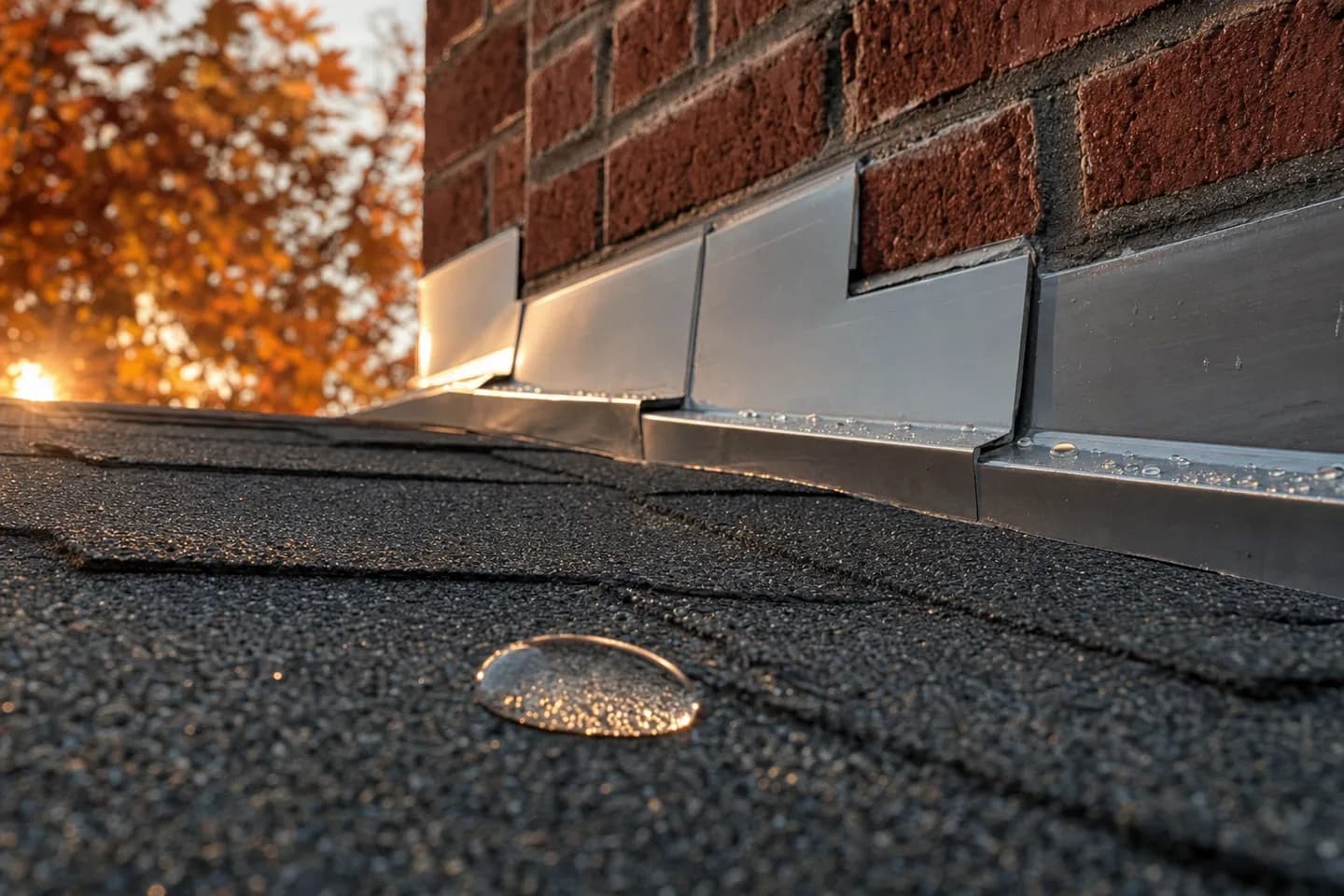
Years in business and hands-on experience with your specific material both matter. A crew that installs your roofing material every week is far more likely to get the details right, from underlayment and ventilation to clean flashing at the valleys and chimney, which is where most leaks begin.
Ask two direct questions: how many roofs like yours do you complete in a year, and who will actually be on site, your own crew or a subcontracted one? Consistent in-house crews tend to produce more consistent work. For asphalt shingles in particular, our guide on choosing the best asphalt shingles covers what that expertise should look like up on the roof.
One more question is worth asking outright: does the price include a dedicated site lead, and how will you reach them during the job? On a re-roof, small decisions come up daily, and knowing who makes them, and how to reach that person, prevents most of the friction homeowners complain about afterward.
How many roofing quotes should you get, and what should they include?
Get at least two or three detailed written quotes so you can compare on equal terms. A fair quote is itemised, not a single lump sum, and comparing them line by line is the fastest way to see who is cutting a corner. Be cautious of a lowball number, which often hides cheaper materials, a skipped step, or add-ons that appear once the work is underway. Get a free written quote from each contractor before you decide. Knowing what the work should cost before the first number arrives makes that comparison far easier, and our breakdown of roof replacement cost in Ontario prices the job line by line.
A complete quote spells out:

- The material, brand, and any tear-off and disposal of the old roof
- Underlayment, ice-and-water shield, flashing, and ventilation work
- Labour, the timeline, and who handles cleanup and any permits
- The material warranty and the separate workmanship warranty, in writing
- A clear payment schedule, with the balance due on completion
What should a roofing warranty cover?
A good roofing contractor backs the job with two separate warranties: the manufacturer's material warranty on the shingles, and the contractor's own workmanship warranty on the installation. The workmanship warranty is the one that matters most, because the large majority of roof problems come from how a roof was installed, not from a defect in the shingles.
Read both before you sign. Material warranties can run from 25 years to lifetime, but they usually cover only manufacturing defects, are often prorated so their value falls each year, and can be voided by poor installation or ventilation. That is one more reason the installer matters more than the label on the box.
The workmanship warranty is the contractor's promise that the installation itself is sound, and it is only as good as the company standing behind it. Ask how long it lasts and what voids it. A one-year workmanship warranty is thin. At Sherak we back every roof with a 10 year workmanship warranty, and because we are an established local company, we are still here to honour it. A long guarantee from a contractor who may not exist next year is worth very little.
Ask too whether the workmanship warranty is transferable if you sell the home. A transferable warranty is a genuine selling point, and offering one is a sign the contractor expects to stand behind the work for the long term.
What a fair roofing payment schedule looks like
How a contractor structures payment tells you a great deal about how they run their business. A fair schedule spreads payment across the job and holds a portion back until you are satisfied. A demand for most or all of the money before work starts is one of the clearest warning signs there is.
The breakdown below is the kind of schedule you want to see. A modest deposit secures your spot and orders materials, progress payments follow the work as it is done, and a final portion is held until you have inspected the finished roof and signed off. At Sherak, that last 10 percent is due only once you are satisfied with the work, which keeps the crew accountable to the final detail. Never pay in full up front, and treat a large cash-only deposit as a reason to walk.
| Category | Value |
|---|---|
| Deposit | 10% |
| Materials on site | 30% |
| Work complete | 50% |
| After you are satisfied | 10% |
Do you need a permit for roofing work in Ontario?
A straightforward shingle replacement usually does not need a building permit in Ontario, but structural work does: replacing the roof deck, changing the roofline, or altering the structure. Requirements vary by municipality, so a good contractor confirms with your local building department and pulls any permit that is needed before starting.
Do not assume, and do not let a contractor talk you out of a permit the work requires. Permits exist to confirm structural work meets the Ontario Building Code, and skipping one can cause real problems when you sell the home or make an insurance claim. For a like-for-like reshingle, most Ontario municipalities do not require a permit; if the job involves new sheathing, a changed slope, or structural repair, it usually does.
A reputable contractor knows the local rules, tells you plainly whether a permit is needed, and handles it rather than leaving it on you. Vagueness, or a push to skip a permit on structural work, is a red flag. Ontario's consumer protection rules also set out your rights on home renovation contracts, including written-contract requirements, which are worth reviewing before you sign anything.
Step 3, before you sign: the red flags to watch for
By this point the good contractors have separated themselves from the rest, and the last step is simply trusting the warning signs. Be wary of pressure tactics, large upfront cash demands, no written contract, and vague terms. A legitimate local contractor gives you a written quote and the time to decide, and never needs the full amount before the first shingle is lifted.
Set the green flags against the red ones:
| Green flags | Red flags |
|---|---|
| Written, itemised quote | Cash only, no written contract |
| Licensed, insured, WSIB registered | Vague or missing credentials |
| Local address and a real portfolio | No verifiable past work |
| Gives you time to decide | Pressure to sign today |
| Staged payments, balance on completion | Large cash demand up front |
How do you spot a roofing scam in Ontario?
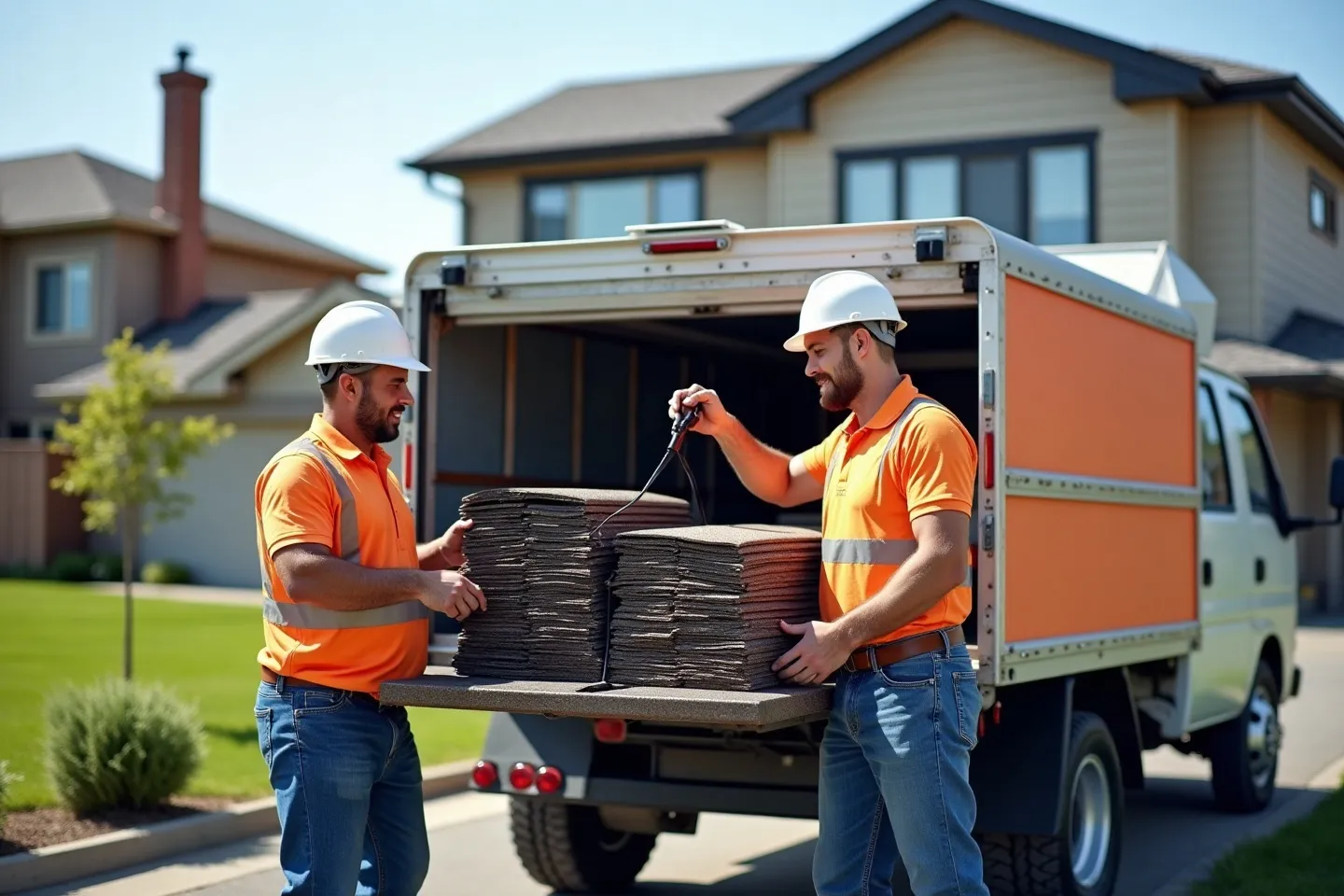
The most common roofing scam in Ontario is the storm chaser: a crew that appears door to door right after a wind or hail storm, warns of urgent hidden damage, and pushes for a cash deposit and a same-day signature. Legitimate local roofers do not work this way. They give you a written quote, proof of insurance, and time to think.
After a big storm, out-of-town crews move through neighbourhoods offering fast, cheap repairs. Some do shoddy work and vanish; others take a large deposit and are never seen again. The signs are consistent: an unmarked truck, no local address, no written contract, a demand for cash up front, and pressure to decide before you can get a second opinion. A related trick is insurance fraud, where a contractor offers to waive your deductible or pad the claim, which can leave you on the hook.
The defence is simple. Never pay cash up front to someone who knocked on your door, always get the offer in writing, and verify WSIB and insurance before you agree to anything. If a roof problem is genuinely urgent after a storm, our own emergency roof repair line, and our guide on what to do about a roof leak, are a safer call than a stranger with a ladder.
The questions to ask before you hire
Bring the same short list to every contractor. How they answer, and how willingly, tells you as much as the answers themselves:
- Are you licensed, insured, and WSIB registered, and can I see the paperwork?
- Will your own crew do the work, or is it subcontracted?
- What is the total cost, and what happens if you find rotted decking underneath?
- What workmanship warranty do you offer, and what voids it?
- Can I see a portfolio and speak to two recent local customers?
- What is the payment schedule, and how much is due on completion?
Choosing your roofing contractor in Ontario
Work through the three steps and you filter out most of the risk before you ever sign. The contractors worth hiring welcome every one of these questions, because the honest answers are their advantage.
At Sherak, we work throughout York Region, Simcoe County, Kawartha, and the GTA, and we put all of it on the table up front: licensing and WSIB, $5 million liability insurance, written itemised quotes, a portfolio you can visit, a 10 year workmanship warranty, and terms where you pay the final 10 percent only once you are satisfied. Book a free, no-obligation assessment and measure us against this checklist yourself.
Sherak Ltd, Head Office 12275 Woodbine Avenue, Gormley, ON L0H 1G0 Phone: +1 905 490 8800 Email: info@sherak.ca
Get a free quote from a contractor who checks every box
Licensed, WSIB registered, and $5M insured, with a 10 year workmanship warranty and 10 percent due only when you are satisfied.
Book a Free Roof AssessmentFrequently asked questions
How do I know if a roofing contractor is legitimate?
How many roofing quotes should I get?
What questions should I ask a roofing contractor before hiring?
Should I hire the cheapest roofing contractor?
Is it safe to hire a roofer who knocks on my door after a storm?
Written by
Emad Alikhanpour
Roofing & Exterior Specialist
Emad has 15 years of hands-on experience across roofing and every exterior service Sherak offers, from shingle and metal roofs to siding, eavestroughs, soffit and fascia, and custom flashing.
15 years in the trade · Roofing and exterior services
View profileReader reviews
Loading reviews...